Lorem ipsum dolor sit amet, consectetur adipiscing elit. Ut elit tellus, luctus nec ullamcorper mattis, pulvinar dapibus leo.
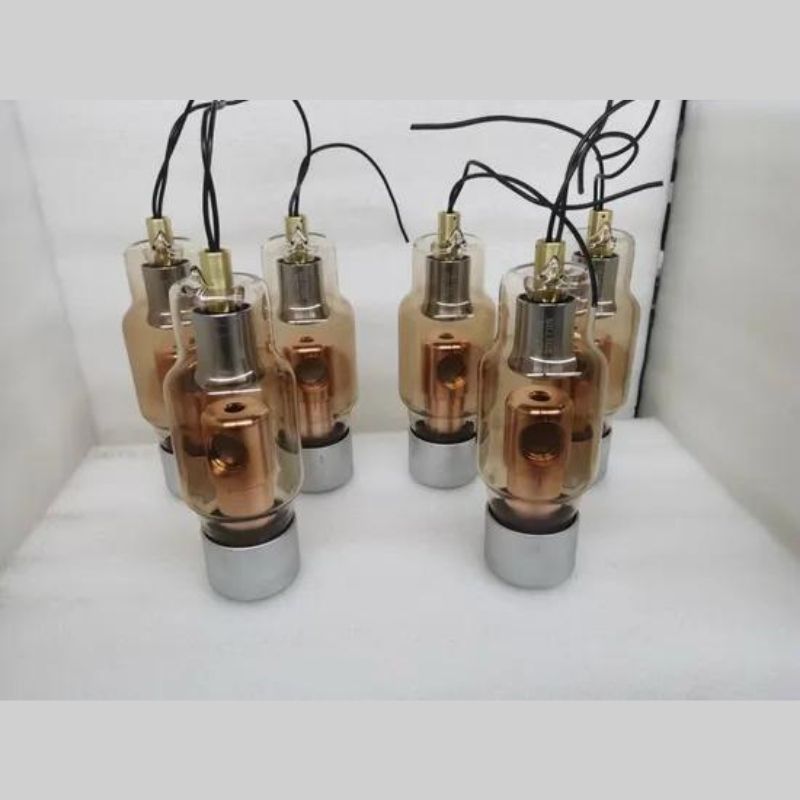
The X-ray Tube is the main component of an X-ray machine. It is the part where X-rays are actually produced.
The X-ray tube converts electrical energy into X-ray radiation.
When high voltage is applied:
Electrons are produced at the cathode.
These electrons move at high speed toward the anode.
When electrons hit the anode target, X-rays are generated.
Contains a filament (usually tungsten)
Produces electrons when heated
Includes a focusing cup to direct electrons toward the anode
Made of tungsten target
Electrons strike this target
Produces X-rays
Can be rotating (in most modern machines) to handle heat
Vacuum-sealed tube
Prevents electrons from colliding with air particles
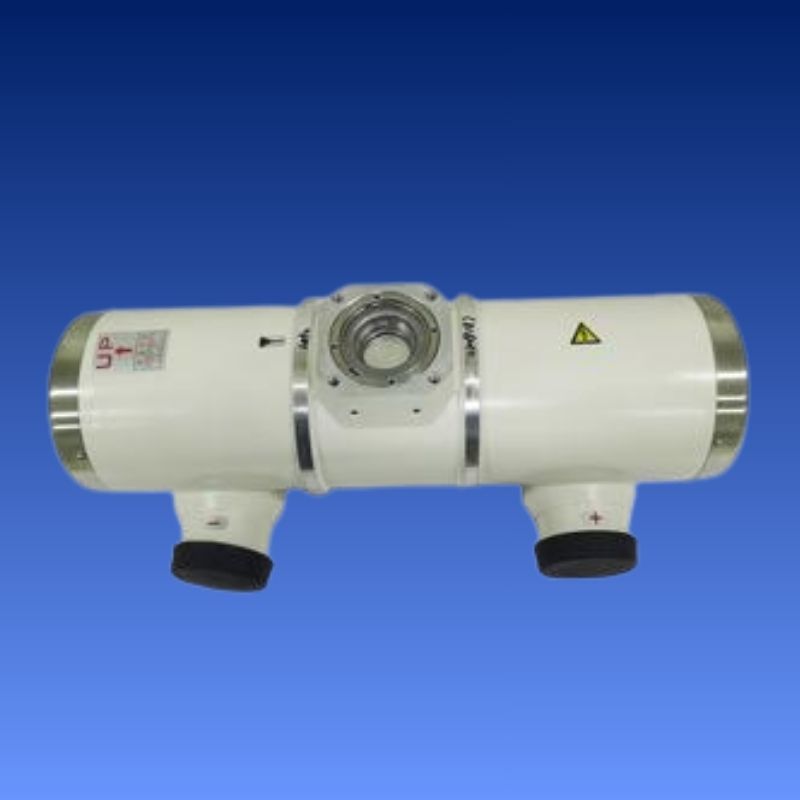
Outer metal cover
Contains insulating oil
Protects from radiation leakage and heat
Stationary Anode Tube – Used in small or portable X-ray machines
Rotating Anode Tube – Used in hospital and high-capacity machines
A Collimator is an important part of an X-ray machine that controls and limits the size and shape of the X-ray beam before it reaches the patient.
Controls the X-ray beam size – Adjusts the width and length of the radiation field.
Reduces unnecessary radiation – Limits exposure only to the required body part.
Improves image quality – Reduces scattered radiation, making the image clearer.
Enhances patient safety – Minimizes radiation dose to surrounding tissues.
Lead Shutters (Blades) – Moveable plates that shape the X-ray beam.
Light Source & Mirror – Shows a light field to indicate the exposure area.
Adjustment Knobs or Controls – Used to change the field size
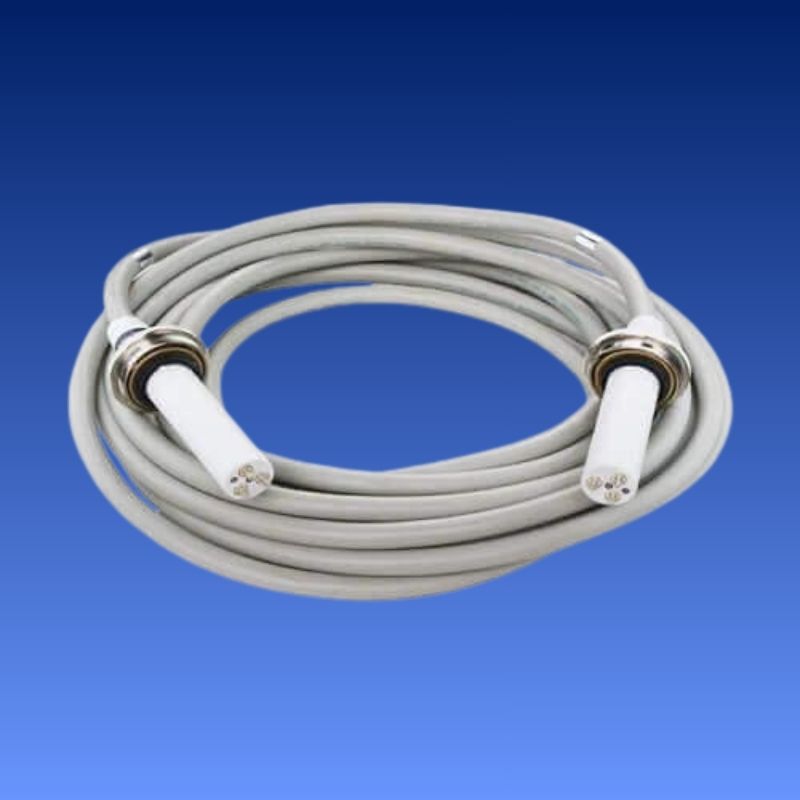
HV Cable means High Voltage Cable. It is an important component of an X-ray machine that carries high voltage electricity from the High Voltage Generator to the X-ray Tube.
Thick and heavy-duty cable
Strong internal conductor
Heavy insulation (rubber, silicone, or oil-filled type)
Protective outer covering
Special high-voltage connectors (HV plugs) on both ends
Transmits high voltage – Usually carries around 40 kV to 150 kV to the X-ray tube.
Ensures safe power delivery – Special insulation prevents electrical leakage.
Maintains stable connection – Provides a secure and stable link between the generator and the X-ray tube